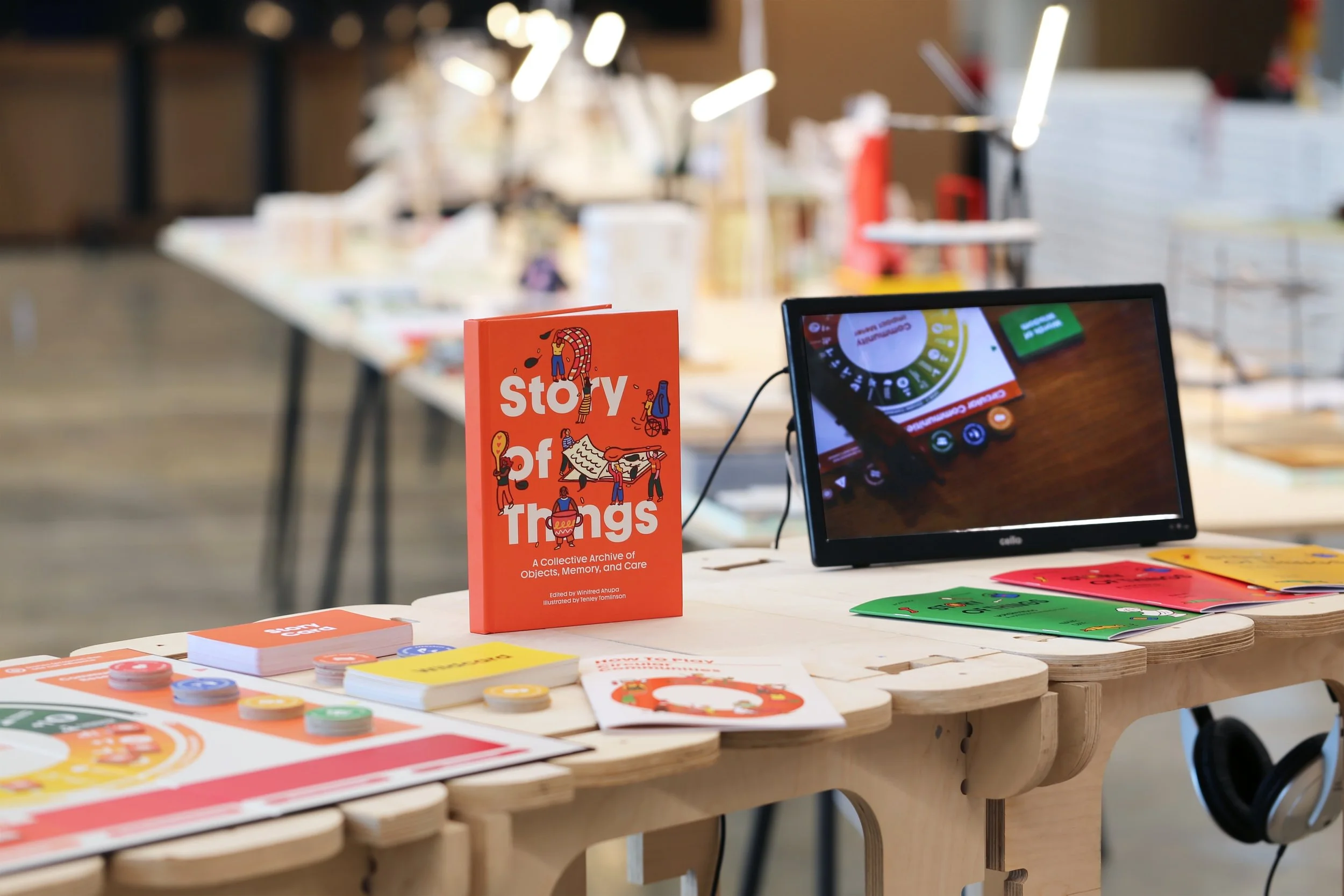
Story of Things
Story of Things is a story-gathering tool, workshop format, and publication exploring the emotional, cultural, and social lives of everyday objects. Through storytelling and reflection, participants share memories, traditions, and practices of care, revealing how ordinary things carry histories of belonging, identity, repair, and connection across generations and cultures.
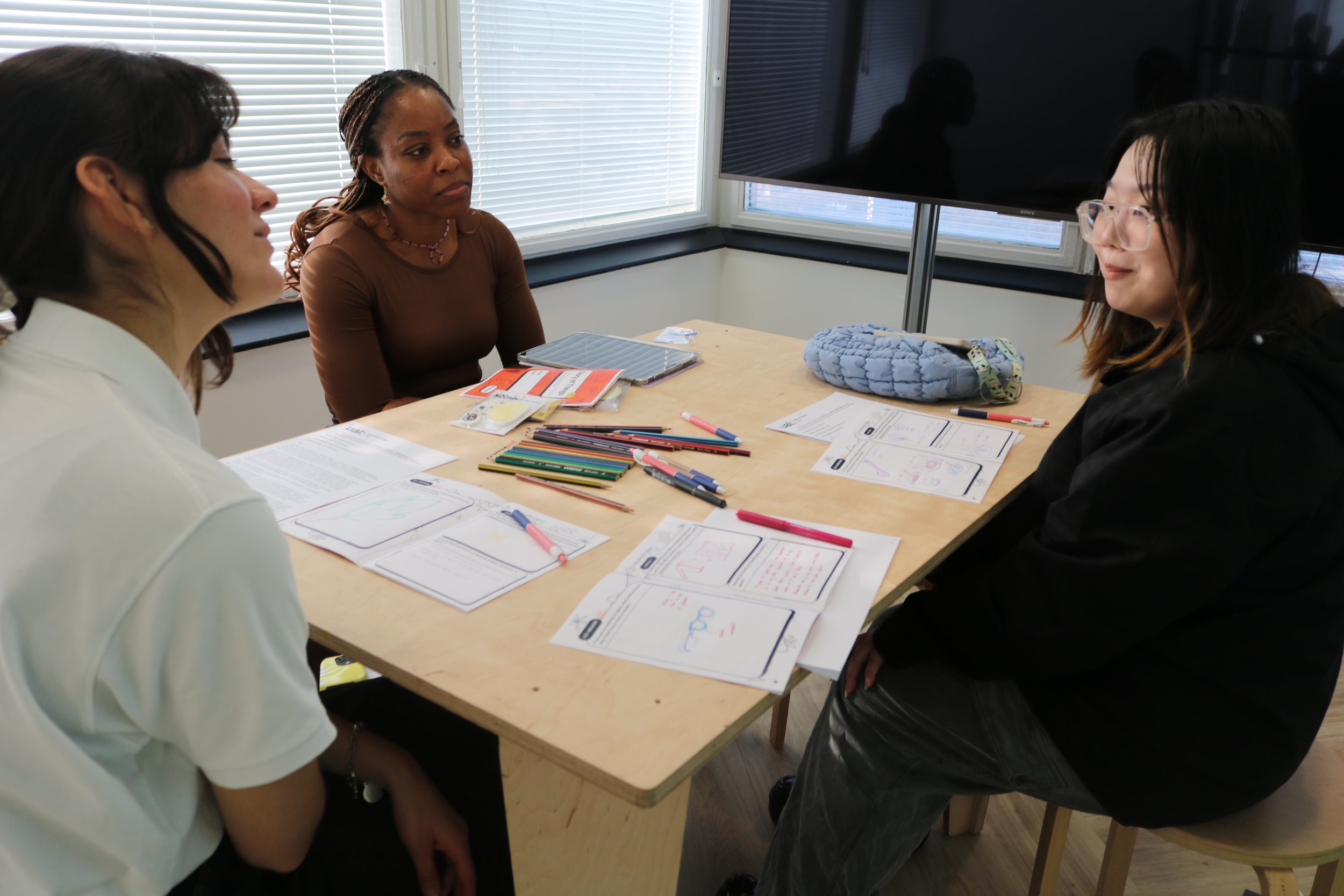
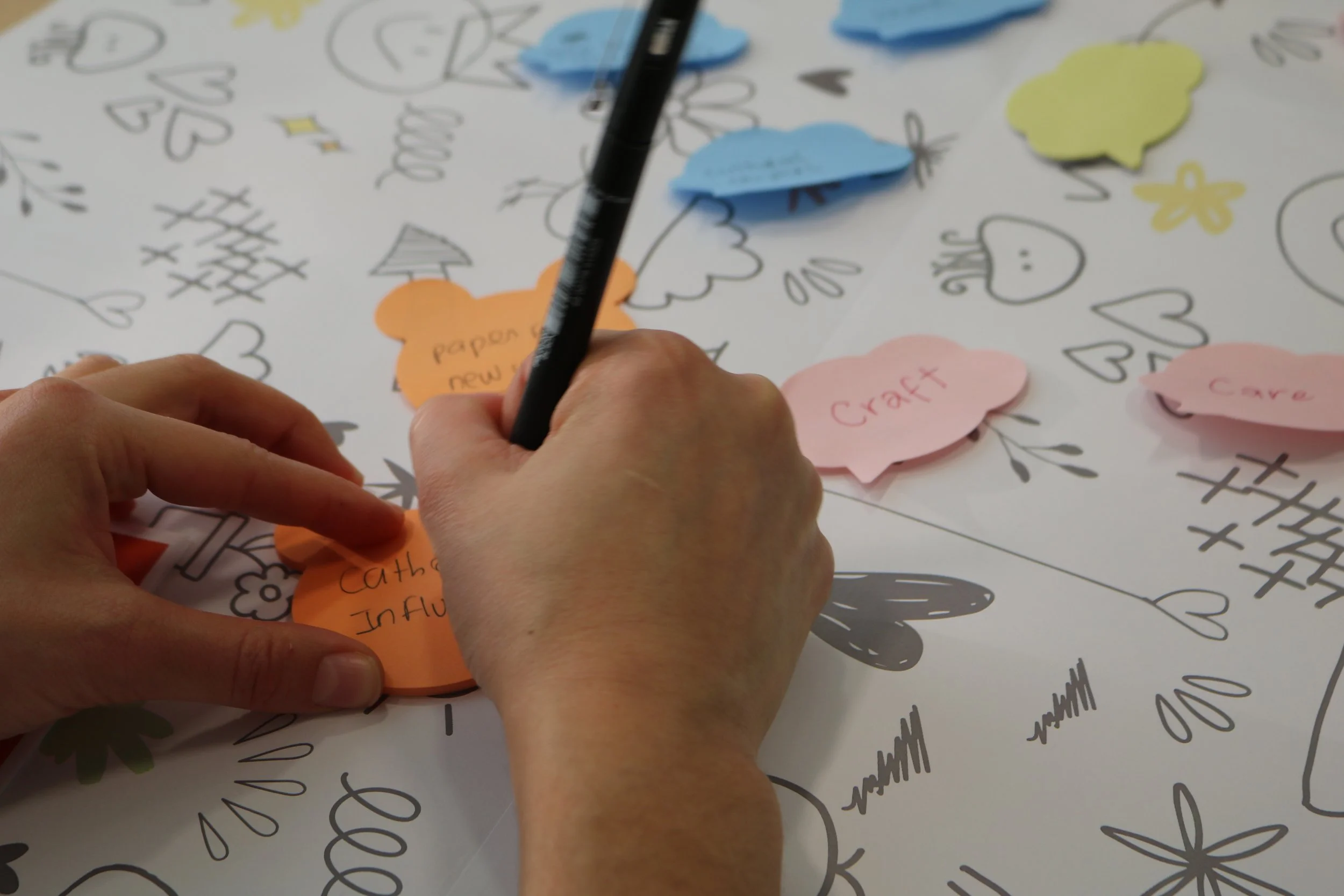
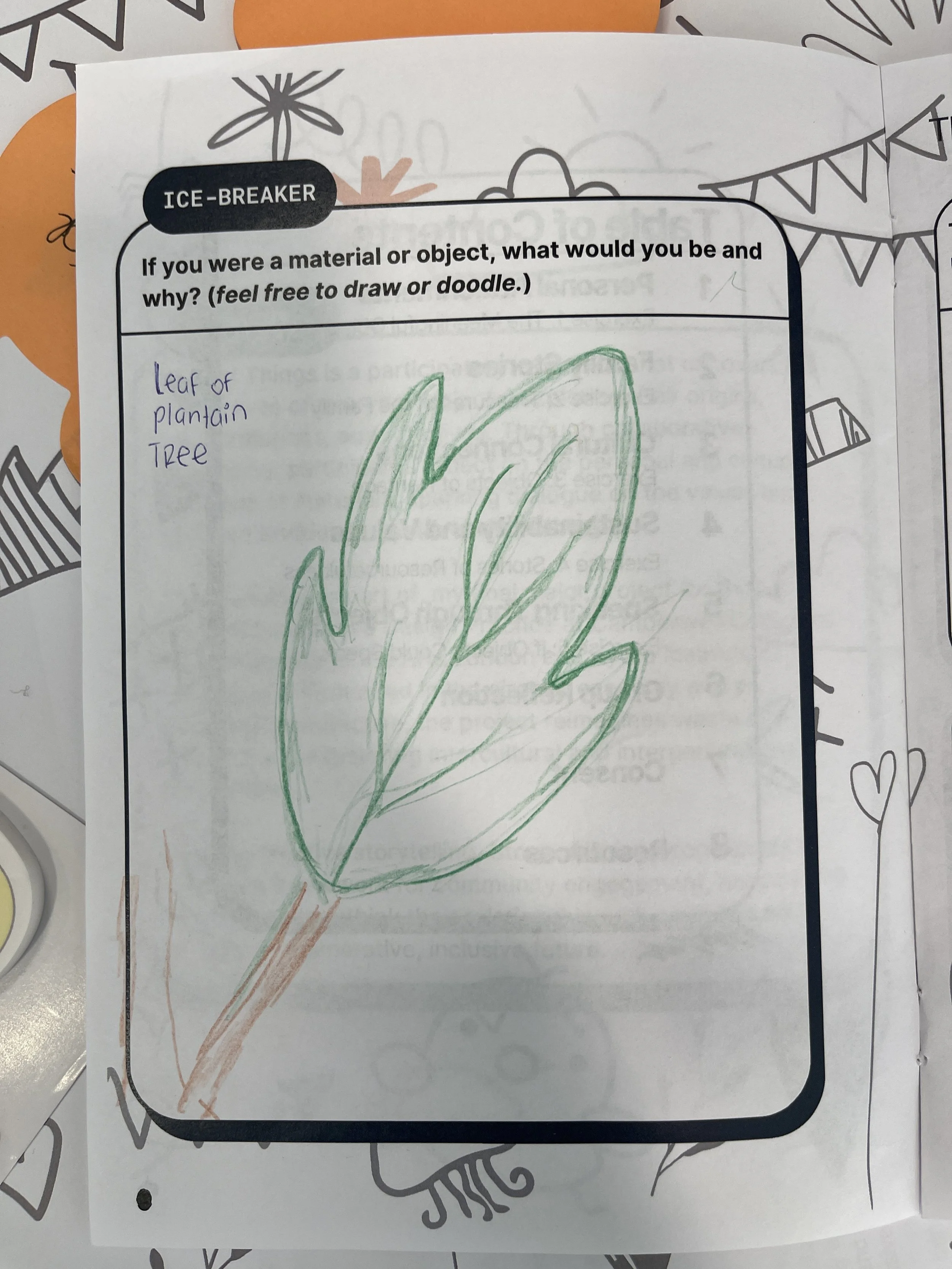
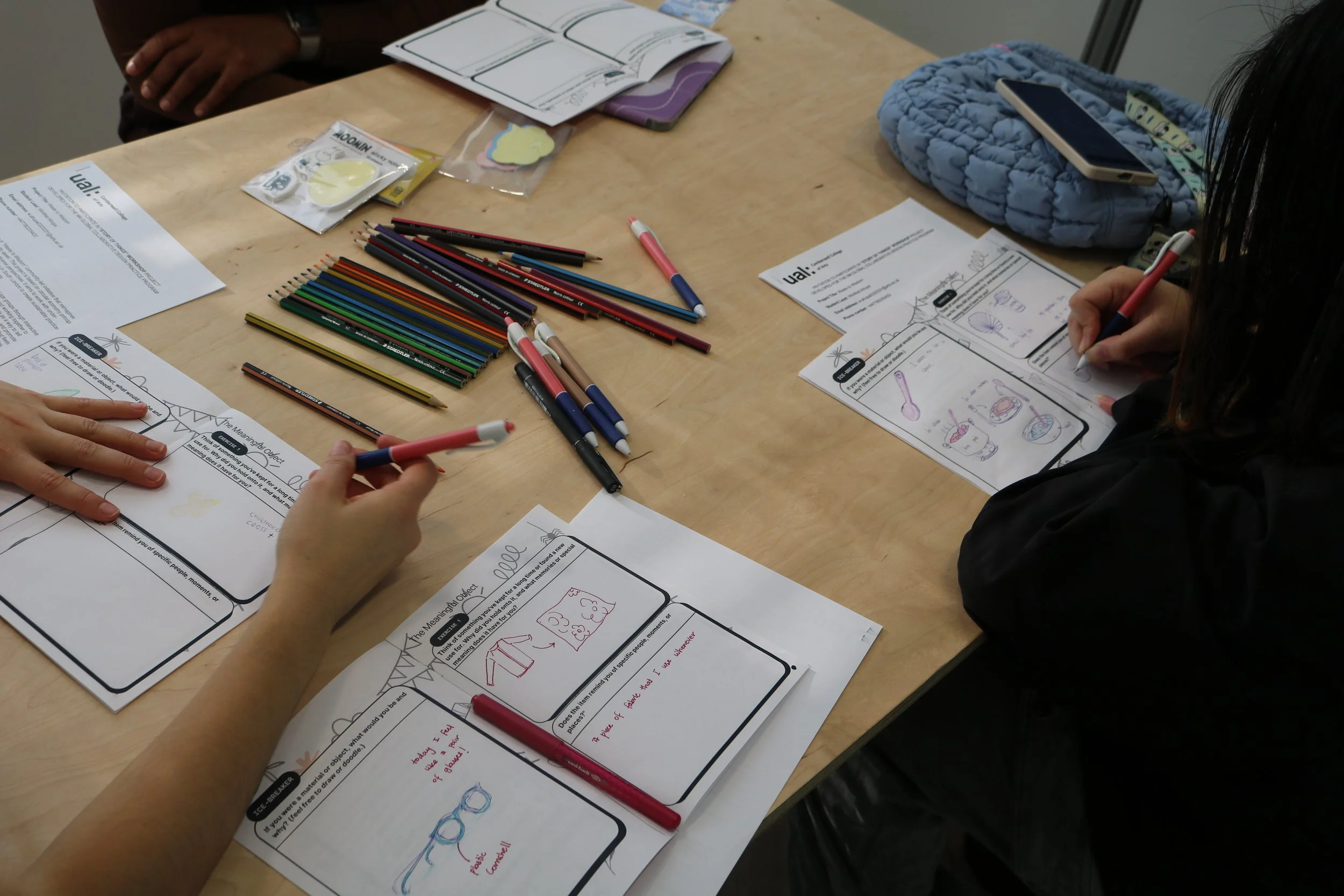
Story of Things is a participatory storytelling project exploring the hidden lives of everyday objects. Through workshops, interviews, and story collection, participants are invited to reflect on the materials they live with and the memories, values, and cultural practices embedded within them.
Bringing together voices from across Europe, Africa, Asia, North America, and South America, the project reveals how seemingly ordinary objects become carriers of identity, belonging, care, and cultural continuity. Family heirlooms, clothing, tools, cooking vessels, textiles, and household items emerge as living archives of personal histories and collective memory.
Through storytelling, participants explore questions of value, repair, reuse, and stewardship, uncovering how cultural traditions and everyday practices shape relationships with materials over time. The project challenges consumption-centred understandings of objects, instead positioning them as vessels of meaning, connection, and care.
The resulting publication serves both as a collection of stories and as a framework for community engagement, demonstrating how storytelling can deepen our understanding of material culture while encouraging more thoughtful and regenerative relationships with the things we own.
Role: Researcher • Writer • Facilitator • Designer
Methods: Story Collection • Oral Histories • Workshop Facilitation • Community Engagement • Participatory Research
Outputs: Story-Gathering Toolkit • Workshops • Publication • Community Archive
Themes: Cultural Memory • Material Culture • Care • Belonging • Repair • Storytelling • Heritage
Locations: Global Participation
Year: 2025