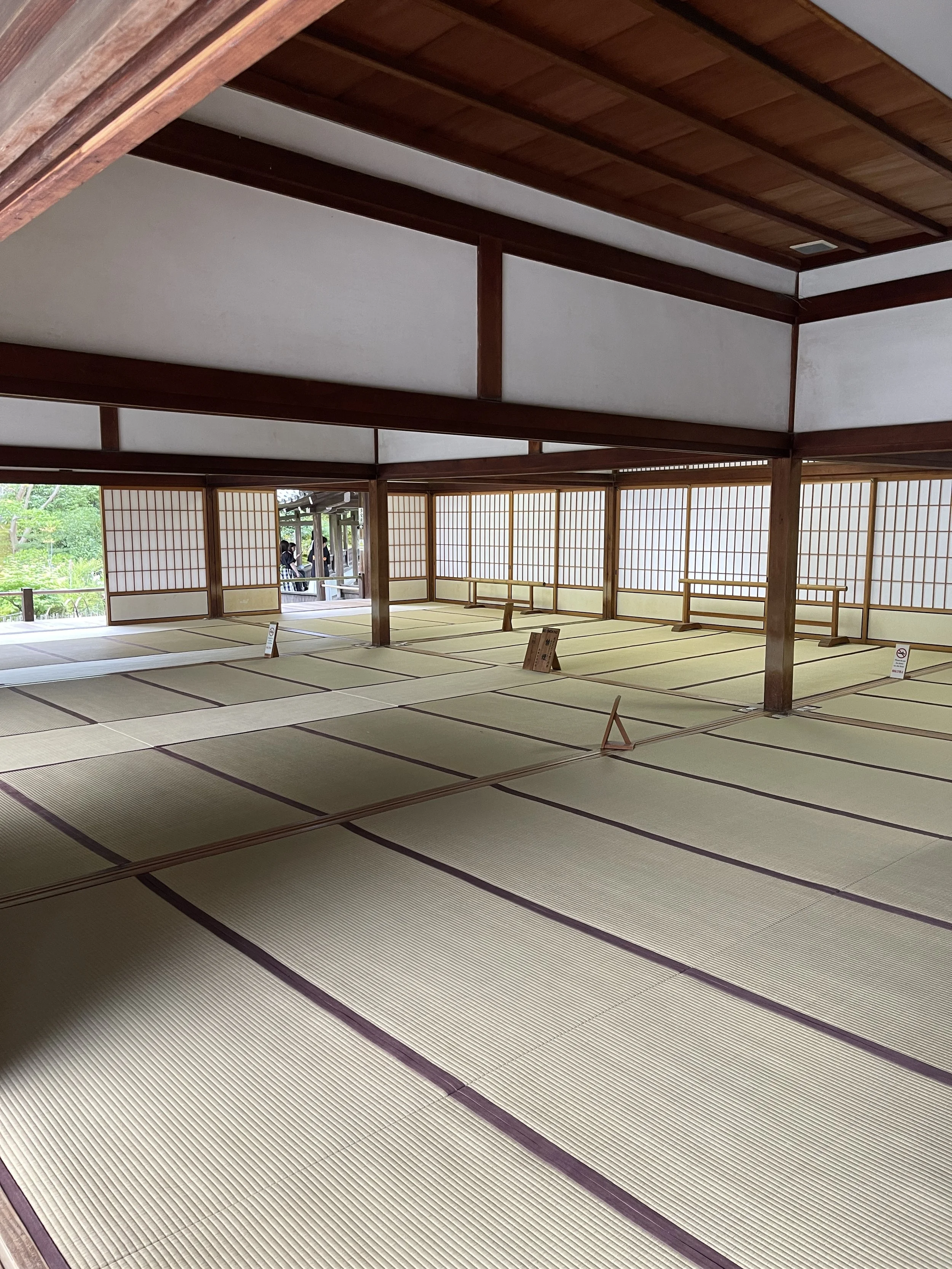
Capturing the Ephemeral
Capturing the Ephemeral is a speculative design project inspired by the traditional Japanese tea ceremony. Developed in Kyoto, the project explored how ritual, materiality, and cultural practices evolve over time, imagining alternative futures for the tea ceremony through storytelling, historical research, and prototype-making.
Based on Japanese Tea Ceremony
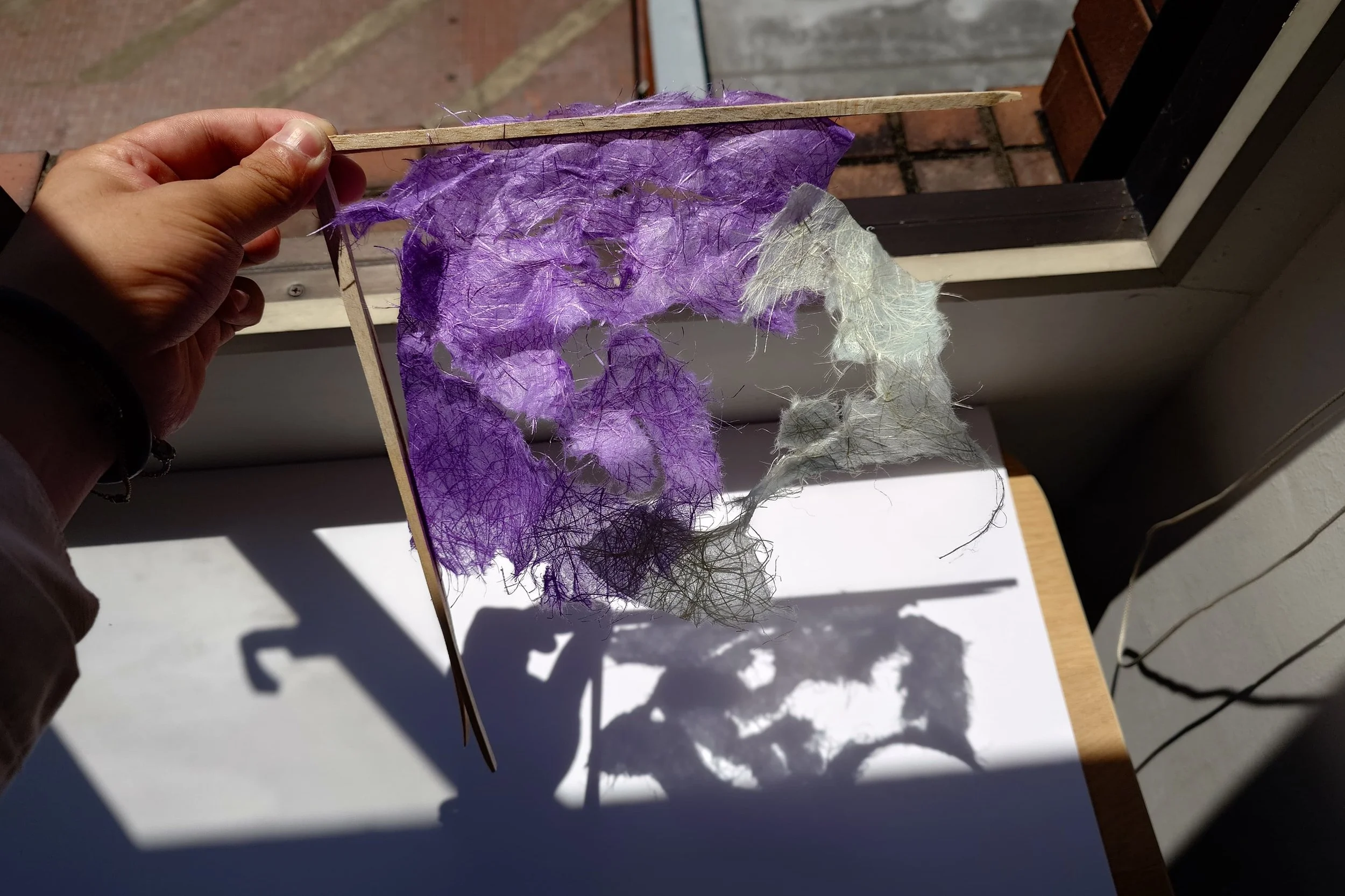
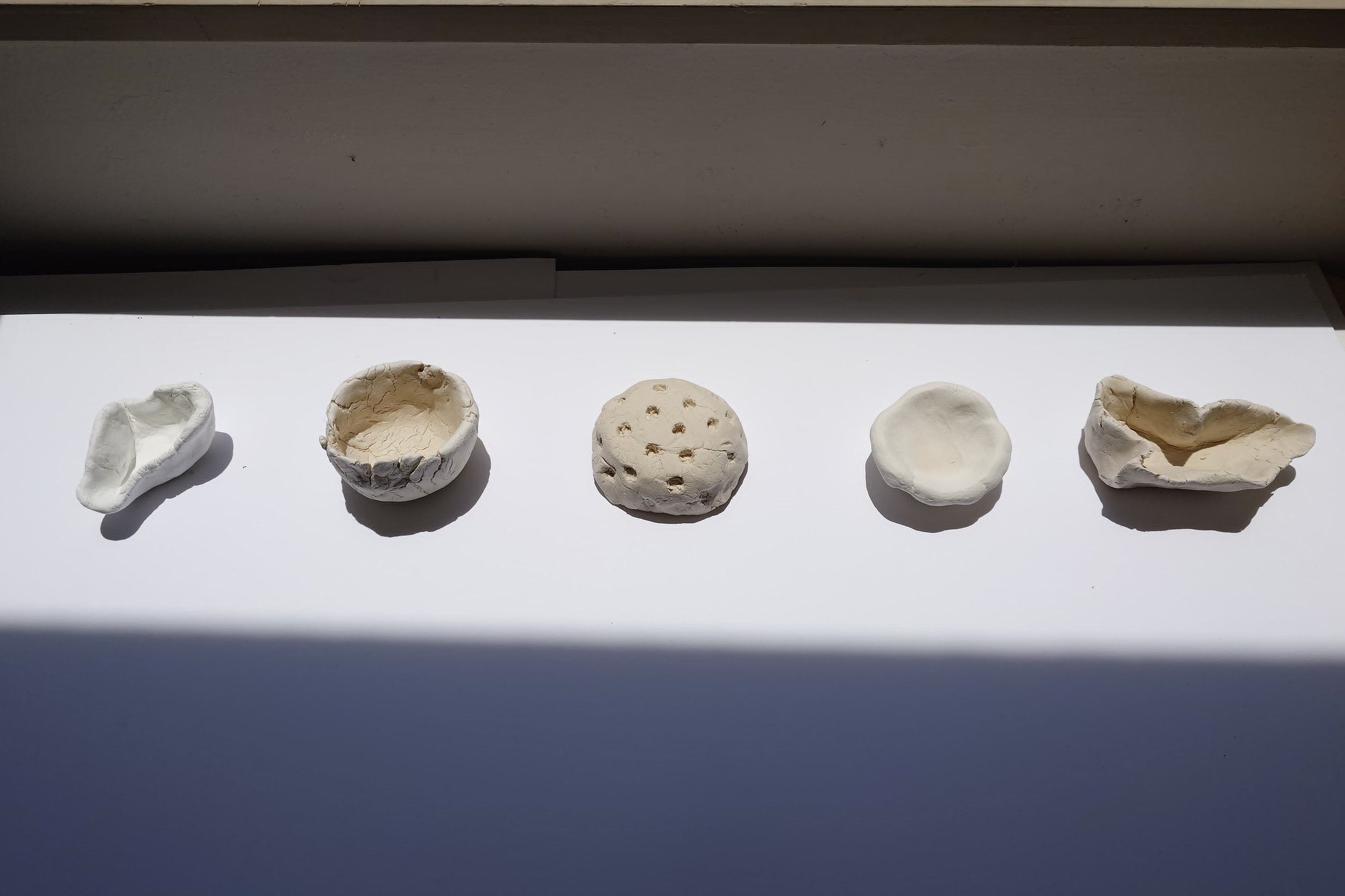
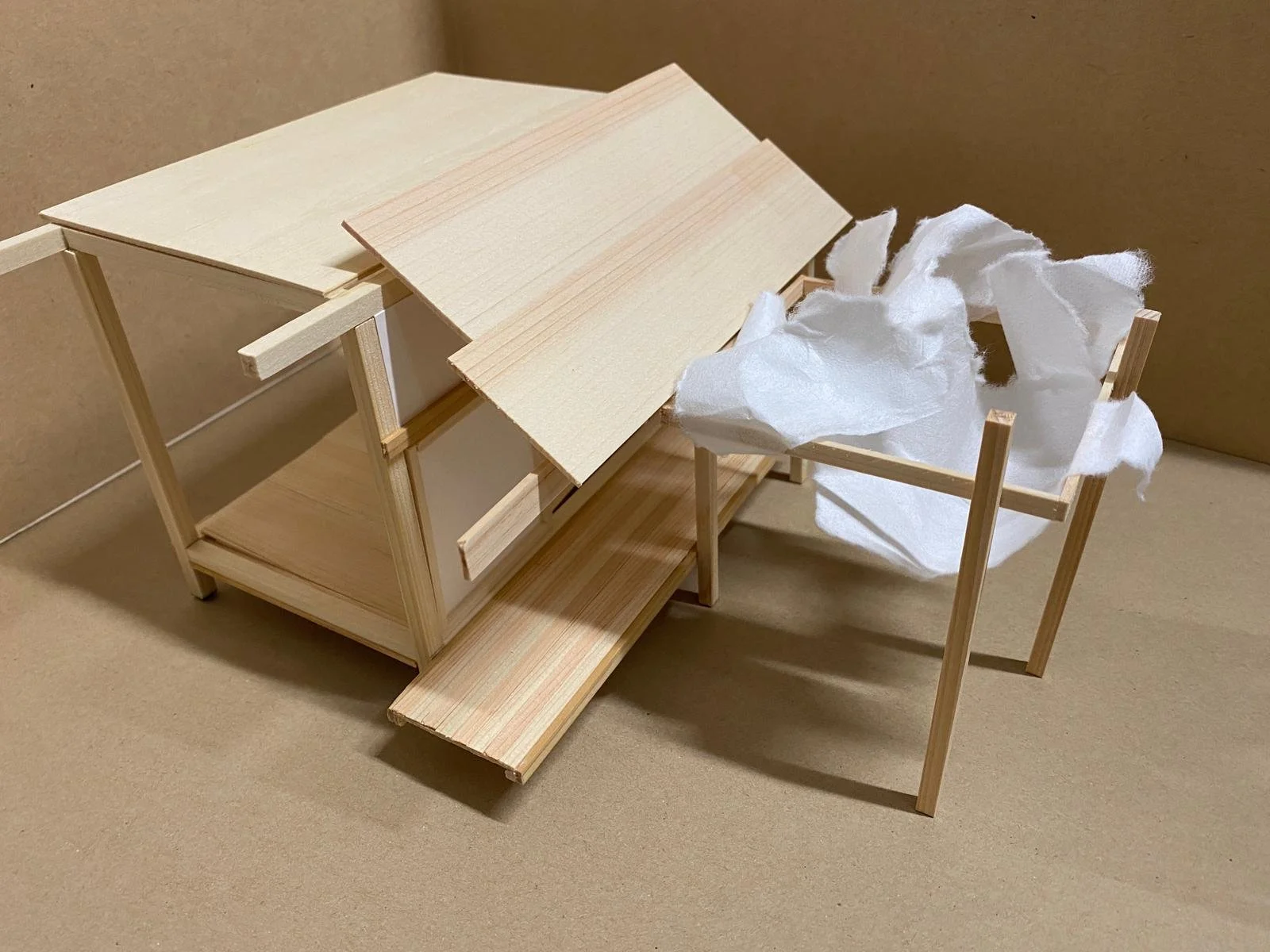
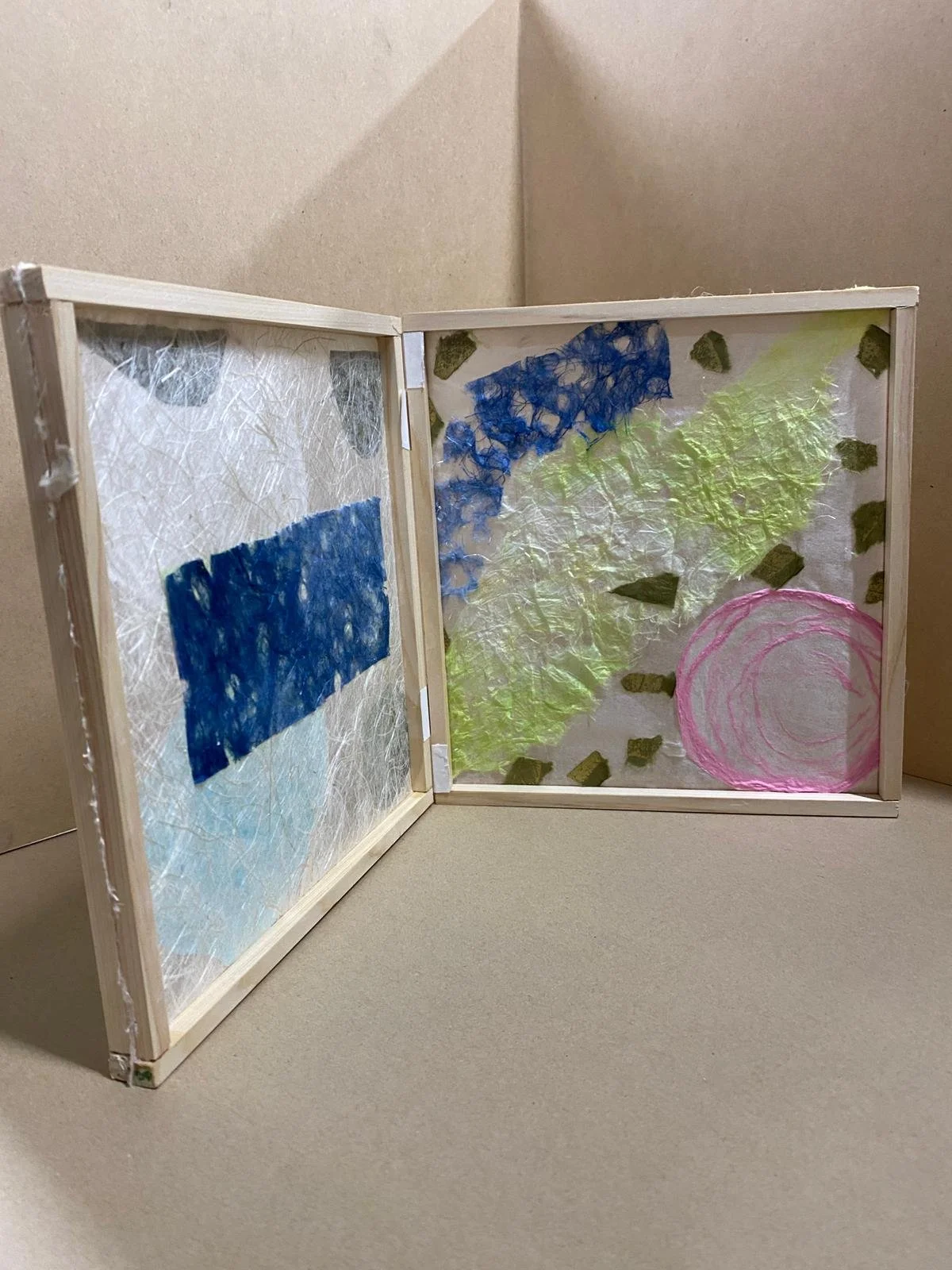
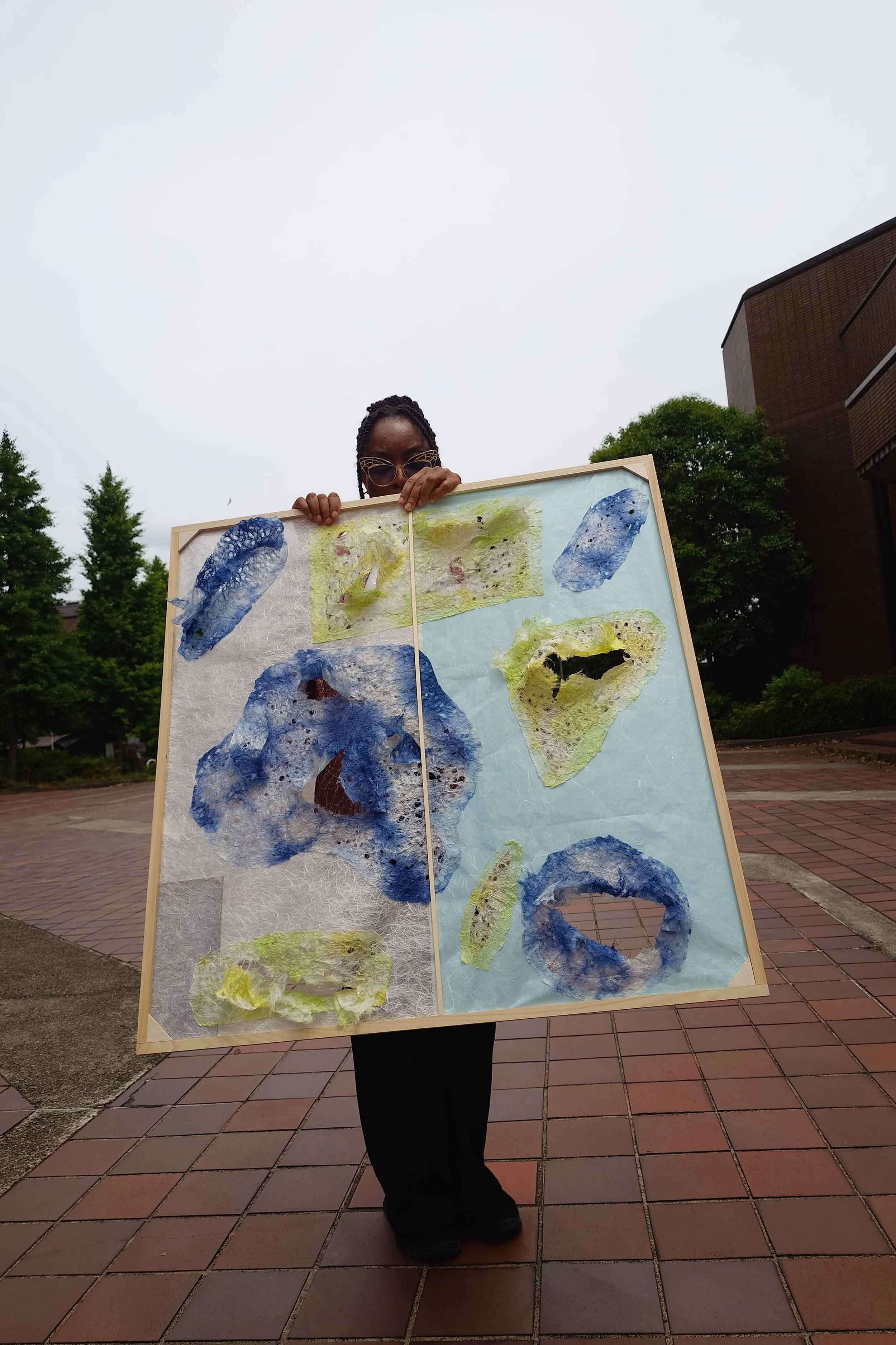
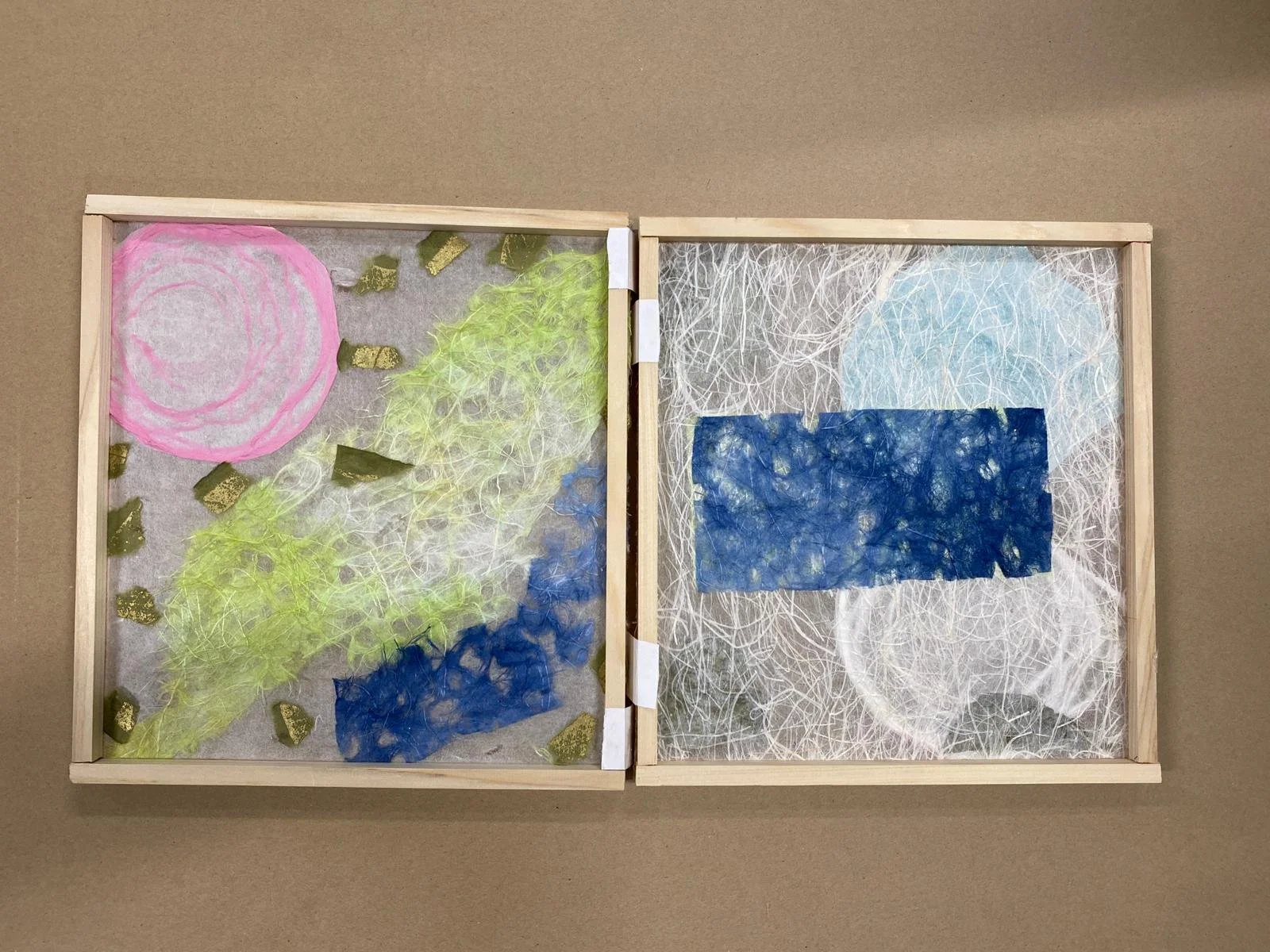
Developed in Kyoto, Capturing the Ephemeral explored the Japanese tea ceremony as a living cultural practice shaped by history, ritual, aesthetics, and social change. Through research into tea houses, Zen Buddhism, wabi-sabi philosophy, tea utensils, and the teachings of the 16th-century tea master Sen no Rikyu, the project examined how cultural traditions are preserved, adapted, and reinterpreted across generations.
Guided by a speculative design approach, the project asked: What if Sen no Rikyu had lived longer and continued to influence the evolution of the tea ceremony? This question led to the development of a hypothetical intervention—a detachable washi-paper veranda that would allow shifting light and shadows to become part of the ceremonial experience and inspire new forms of pottery-making.
By combining historical inquiry with speculative design, the project explored how cultural practices remain alive through adaptation rather than preservation alone. It invited reflection on the relationship between ritual, material culture, and the subtle ways traditions continue to evolve over time.
Role: Project Manager • Researcher • Designer
Location: Kyoto
Methods: Cultural Research • Speculative Design • Historical Inquiry • Prototyping • Collaborative Design
Themes: Ritual • Cultural Memory • Material Culture • Japanese Aesthetics • Speculative Futures • Heritage
Outputs: Research • Prototype • Exhibition Artefact
Year: 2024
This is collaborative project by Anthony King, Ku Yoshitomi, Luming Zhao and Winifred Ahupa