Tabarma
Tabarma is a circular design project developed in Nigeria that transforms discarded plastic bags and bottle caps into handcrafted fashion accessories. Through making, exhibition, and public engagement, the project challenges perceptions of waste, demonstrating how materials often considered disposable can be repurposed into objects of value while raising awareness about plastic pollution and resourcefulness.
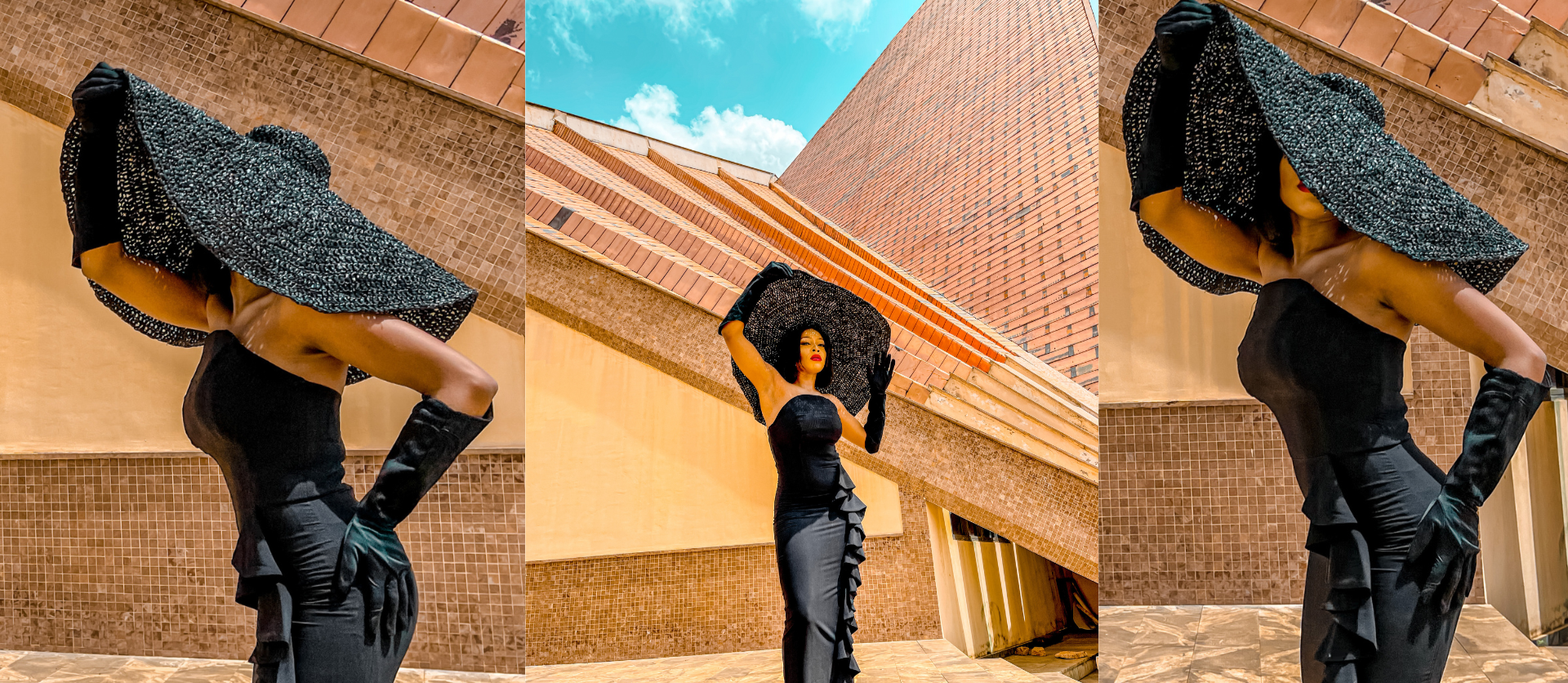
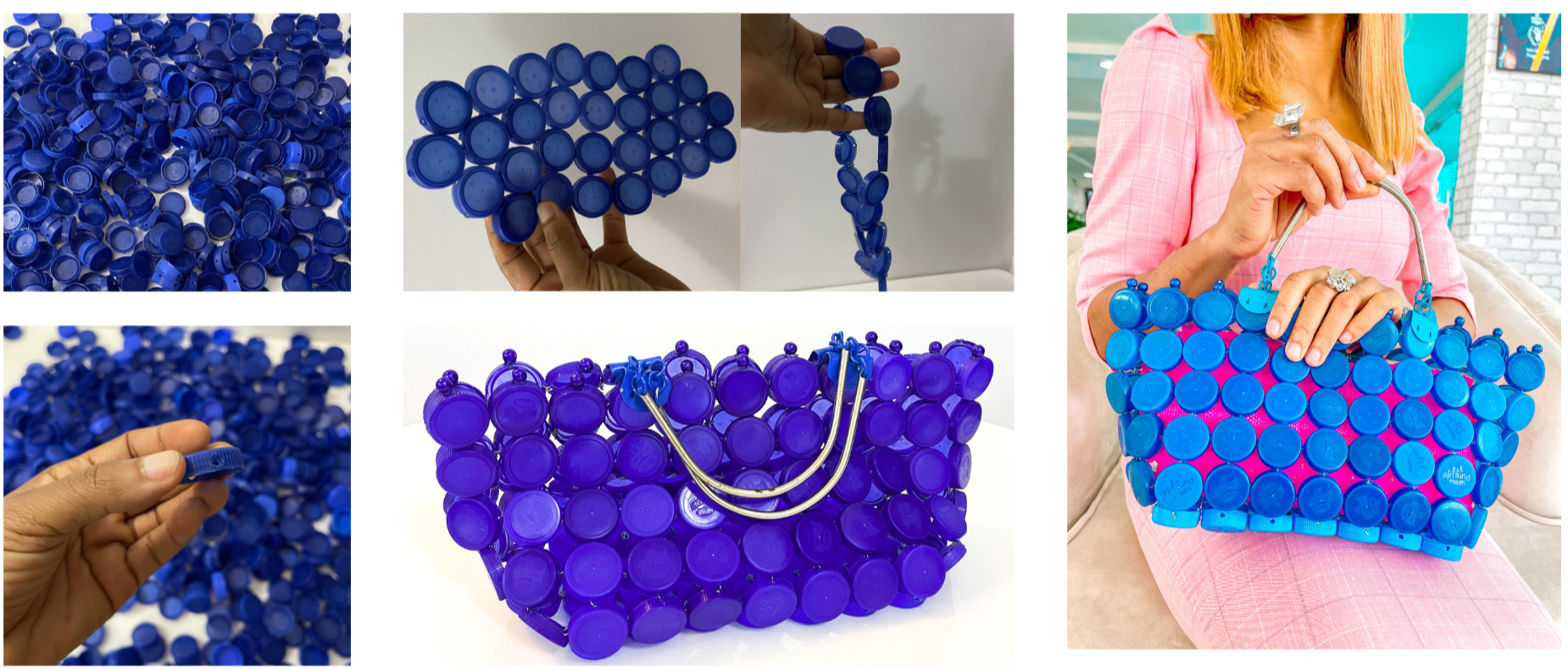
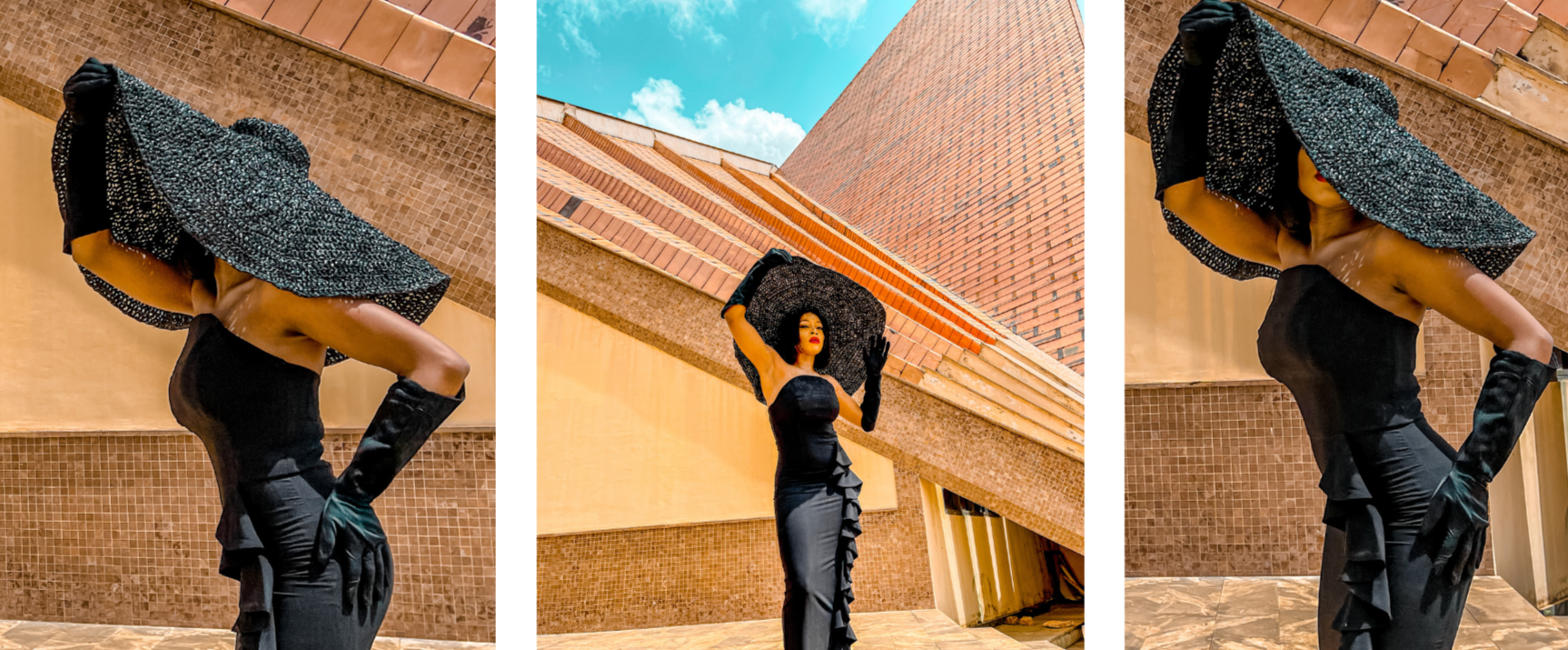
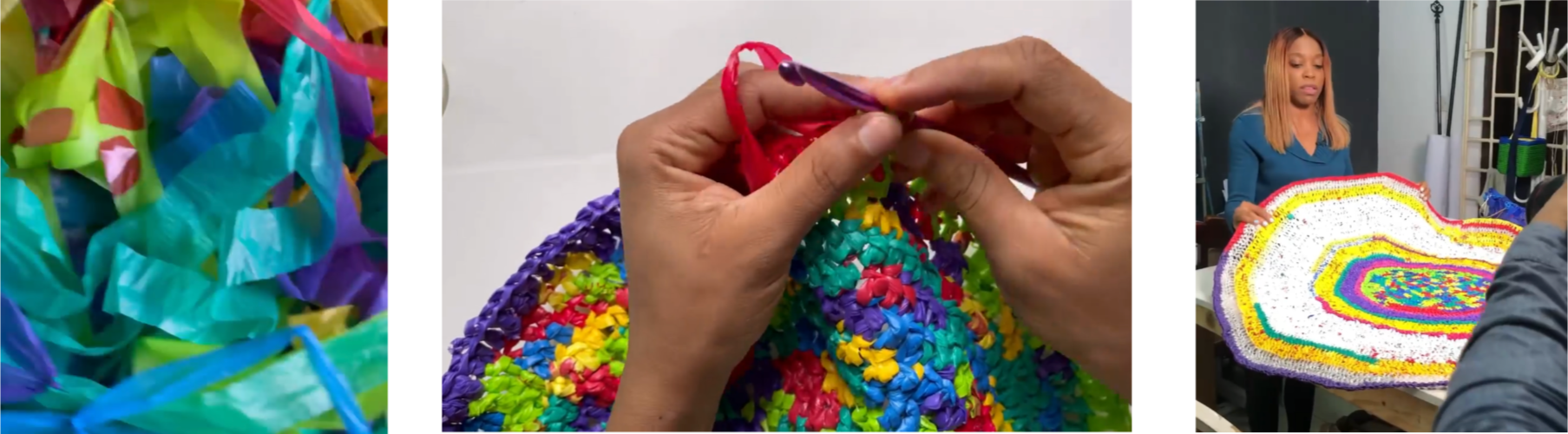
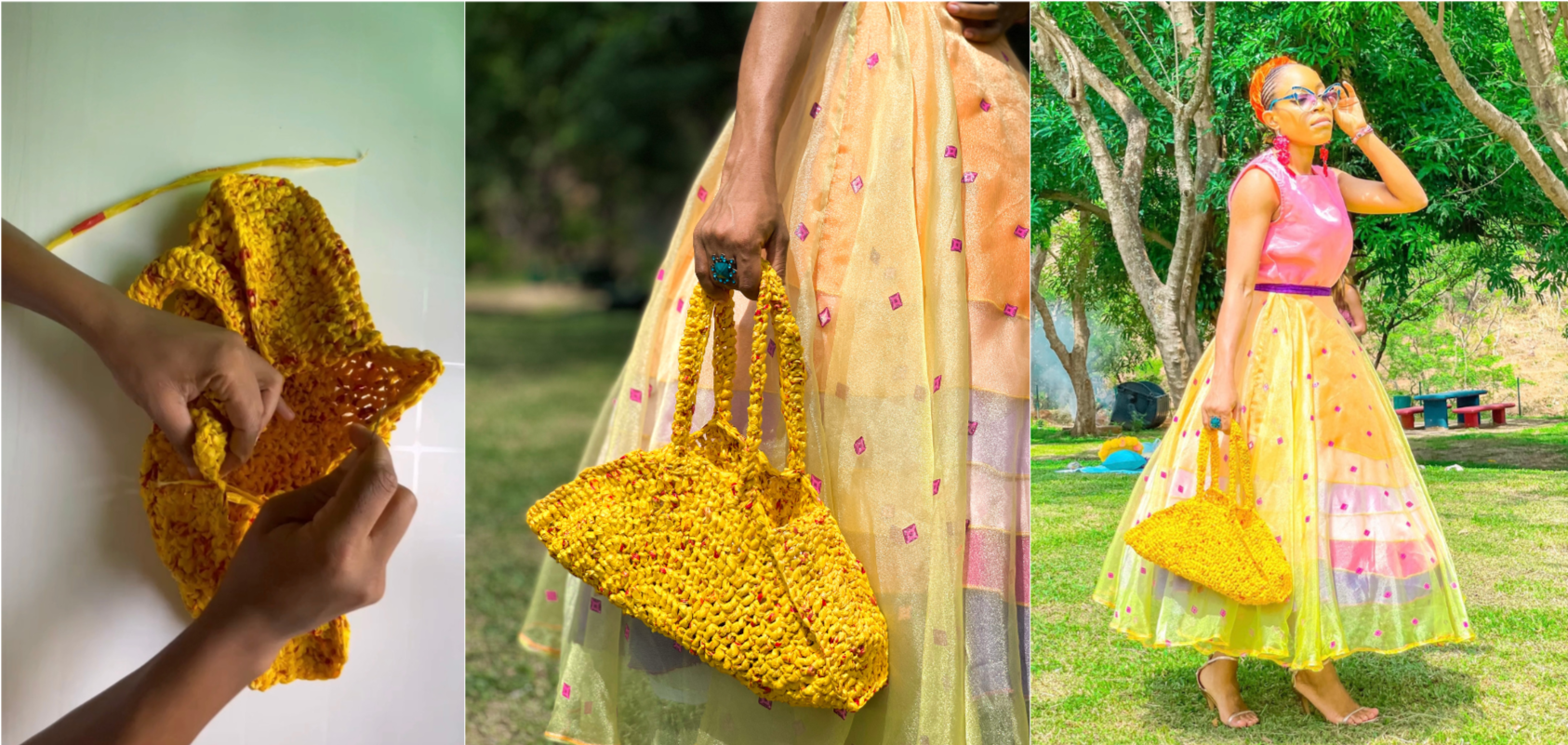
Developed in Nigeria, Tabarma emerged in response to the growing environmental challenge of plastic waste and the limited availability of recycling infrastructure. The project explored how design and craft could contribute to changing public perceptions of waste by transforming discarded plastic bags and bottle caps into functional and aesthetically engaging products.
Drawing inspiration from plarn (plastic yarn), the project repurposed single-use plastic bags into handmade fashion accessories using crochet techniques. By converting materials commonly associated with pollution into desirable objects, the work sought to encourage reflection on consumption, disposal, and the hidden value of everyday waste.
Beyond product creation, the project functioned as a public awareness initiative. The work was shared through social media platforms and exhibited at the Nomadic Tech and Art Garden in Abuja, creating opportunities to engage wider audiences in conversations about sustainability, waste management, and circular design.
The project represents an early exploration of themes that continue throughout my practice: material stewardship, circularity, community engagement, and the role of design in shaping more sustainable futures.
Role: Designer • Maker • Founder
Location: Nigeria
Methods: Upcycling • Craft • Product Design • Material Experimentation • Public Engagement
Outputs: Fashion Accessories • Exhibition • Public Awareness Campaign
Themes: Plastic Waste • Circular Economy • Material Reuse • Sustainability • Social Change
Recognition: Featured in national media and exhibited publicly in Abuja.
Year: 2021